As research progresses, these options may become essential tools in the fight against alcohol addiction, offering renewed hope to those on the road to recovery. By classifying alcoholism as a chronic disease, it means that alcoholism is viewed as a progressive, long-lasting illness where there is no cure. No cure, however, does not mean there is no hope for long-term recovery.
- A commitment to living a healthy lifestyle can bring significant improvement, and in some cases, a full recovery.
- However, even with this great accomplishment, it’s also important to remember that this is just the beginning.
- Addiction is often described as a chronic, relapsing illness as it can alter behaviour patterns and brain function, particularly in areas related to reward, motivation and decision-making.
- Clients will learn new strategies to help them remain abstinent and modify their behaviors.
Alcohol Abuse and Alcoholism: Frequently Asked Questions

These alterations create persistent cravings and heightened vulnerability to relapse even after months or years of sobriety. However, research shows that while complete eradication of the disease is not currently possible, individuals can achieve long-term sobriety and lead fulfilling lives with proper treatment. Understanding this distinction is crucial for setting realistic expectations and encouraging sustained recovery efforts.

Alcoholism Treatment FAQs
Get started on your recovery right now with our free rehab locator tool, where you can find addiction treatment facilities that take insurance, inpatient rehabs, outpatient rehab programs, and much more. It is difficult to pinpoint exact addiction recovery success rates because no one knows exactly where they are on their journey to recovery; it’s a lifelong journey. Rather than defeat, relapse reveals a need to resume treatment, modify treatment, or try a different approach. Speaking with a doctor or another substance use disorder professional can help you discern what you need to return to recovery. Chronic diseases, such as addiction, are often preventable and treatable, but if left untreated, they can affect a person for their lifetime and may ultimately cause their death.
How long can you live with alcoholic hepatitis?
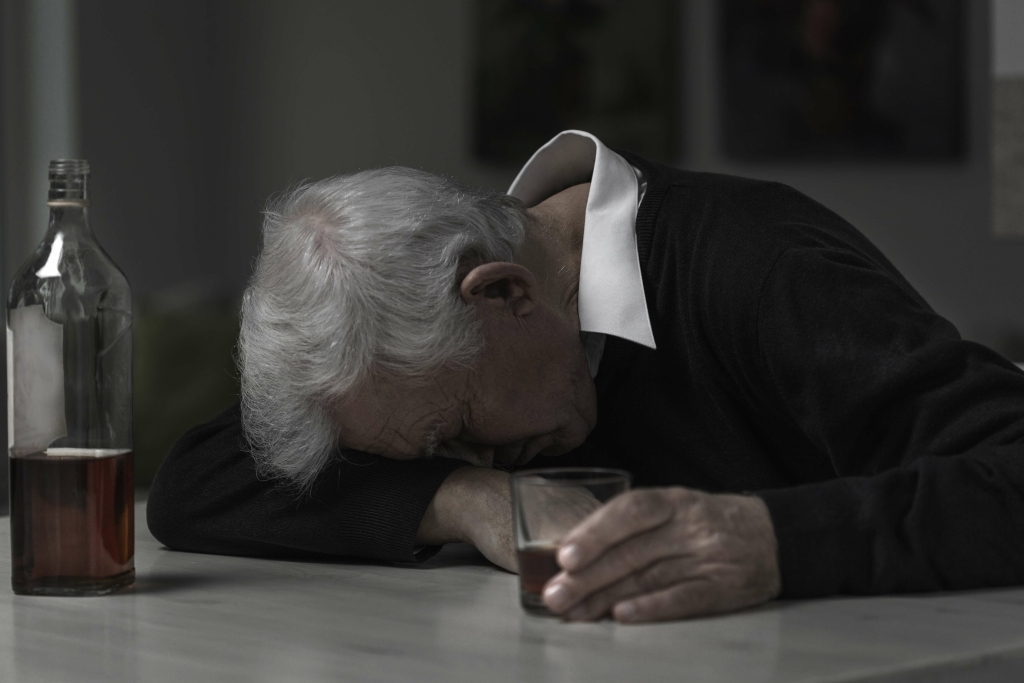
With the right tools and support, people can recover and lead healthy, sober lives. It’s important to remember that recovery is a journey, and it’s okay to ask for help along the way. Whether it’s therapy, rehab, or a support group, there are many options available to support people in overcoming alcohol addiction. Alcohol addiction is a complex and multifaceted issue that affects millions of individuals and their families across the globe. While many people might wonder if alcohol addiction can truly be cured, the answer is not straightforward. This article alcohol rehab will delve into the nature of alcohol addiction, exploring its causes, treatment options, and the vital role of support systems in recovery.
How Do I Avoid Substituting Addiction?
- Starting with medical detoxification, our expert staff can assist you through withdrawal.
- Looking for a quick “cure� for an alcohol addiction will likely not result in long-term success.
- These don’t have permanent cures, but they can be controlled through lifestyle changes, medication, support, and continuous care.
- Many people with alcohol addiction can achieve long-term sobriety and maintain it with the right tools and support.
- People who abuse alcohol may face problems like liver damage, heart disease, depression, anxiety, and trouble at work or home.
A medical professional will run blood, liver function, and imaging tests to help assess the overall health of your liver and to determine next steps. Once detox is over, group and individual therapy sessions help you can alcoholism be cured to learn new habits and build a new lifestyle from within the centre, that you’ll be able to keep up once you leave. Alcoholism affects over 17 million people in the United States, according to the US Department of Health and Human Services.